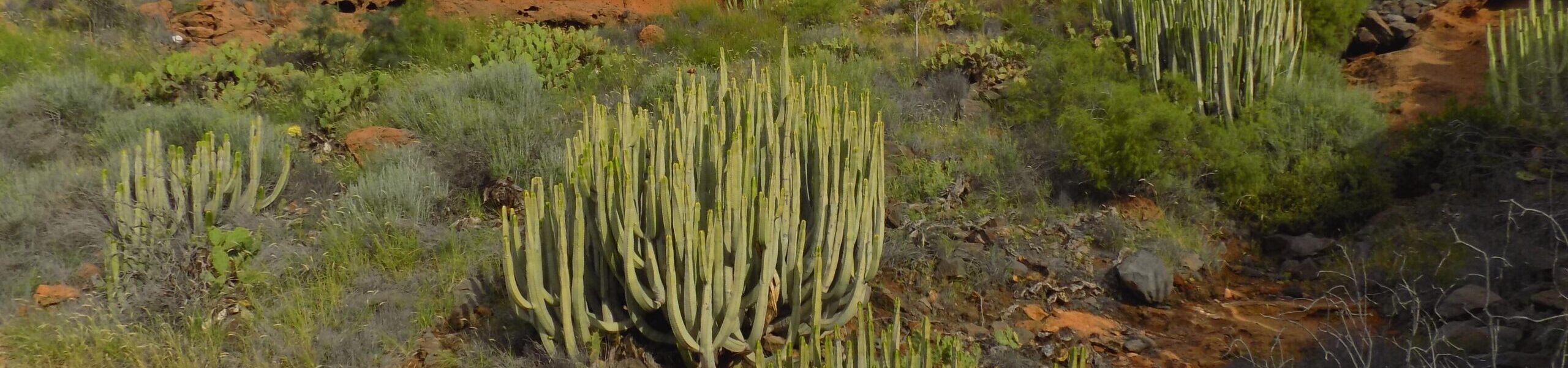

Figure 12. Cactus and shrub community present in El Puertito. Sourced from Natalia Puche-Polo (2023).
VolcanoStories Gr&Y

Acceda a esta página en español:

The Sustainable Tourism Project

The Sustainable Tourism project by GeoTenerife is a multi-media project which aims to increase the awareness and understanding of the impacts of the mass tourism model in the Canary Islands on residents, the environment, and economic stability.  Our work is open access, in non-specialist language, and resident-focused.

October 17 2025 9:05 PM

Follow our coverage of the most recent news of the protests and demonstrations for a more sustainable tourism model in the Canary Islands and learn more about the reasons residents have to protest.

Cuna del Alma, el Aula Marina, y las Tortugas

Las Islas Canarias se promocionan como un paraíso de biodiversidad y turismo sostenible. Pero la historia del Puertito de Adeje SeaLab revela una realidad muy distinta: un patrón en el que las autoridades locales explotan las iniciativas de restauración ambiental para generar relaciones públicas

Cuna del Alma, the SeaLab and the Turtles

The Canary Islands are marketing themselves as a paradise of biodiversity and sustainable tourism. But the story of the Puertito de Adeje SeaLab reveals a very different truth: a pattern in which local authorities exploit environmental restoration initiatives for public relations, only to erase them

Freely available opinion pieces,  in both English and en Español, about Sustainable and unsustainable tourism in the Canary Islands

More about Sustainable Tourism

The Canary Islands received more than 12.6 million visitors in 2022, 5.8 of which visited Tenerife, and 146,000 visited La Palma. The massive number of tourists in Tenerife, and the current hotel and tourism policies development have resulted in heavy impacts on resident satisfaction, areas of natural beauty, water resources, solid waste management, pressure on infrastructure, and a high dependence on overseas suppliers. 

However, the volcanic eruption in La Palma saw tourism to the island grind to a halt and dealt a heavy blow to this island’s economy, as the island struggles to reconstruct itself, new large-scale tourist resorts are being proposed. what will this mean for the traditional tourism model in La Palma?

Moreover, when the Canarian tourism industry was interrupted by travel restrictions imposed after the start of the COVID-19 pandemic, the Canaries experienced two months of no visitors and the subsequent closing of hotels and businesses, which highlighted the overdependence on tourism in the Canary Islands. 

  • Economic Pressures: The economic demands of the tourism industry can sometimes prioritize short-term gains over long-term sustainability. Profit motives may lead to decisions that have negative environmental or cultural impacts.
  • Visitor Behavior: Tourist behaviours, such as resource consumption, waste generation, and disregard for local customs, can pose challenges to sustainability. It’s challenging to control and modify individual behaviours on a large scale.
  • Globalization: Tourism often involves international markets and global influences, making it challenging to regulate and implement consistent sustainable practices across borders.
  • Infrastructure Development: The construction of tourism-related infrastructure, such as hotels and transportation facilities, may lead to environmental degradation and habitat destruction, especially if not carefully planned and managed.
  • Lack of Awareness: Insufficient awareness among tourists and local communities about sustainable practices can hinder efforts to achieve sustainability. Education and awareness initiatives are crucial for fostering responsible tourism.
  • Political and Regulatory Challenges: Political priorities and regulatory frameworks may not always align with sustainable tourism goals. Inconsistent enforcement of regulations can limit the effectiveness of sustainability measures.
  • Complex Supply Chains: The tourism industry involves intricate supply chains that extend beyond the immediate destination. Coordinating and regulating the practices of various stakeholders, including airlines, travel agencies, hotels, and local businesses, can be complex.

Achieving fully sustainable tourism development is a complex and challenging goal, and it may be difficult (or impossible) to attain complete sustainability due to various factors. However, the aim is to minimise negative impacts and strive for a balance that ensures economic, environmental, and socio-cultural well-being for the Canary Islands.

The widespread implementation of sustainable tourism policies in the Canary Islands could improve the environmental and social issues caused by decades of mass tourism. Sustainable tourism in the Canary Islands will address and work to improve the environmental and social issues caused by decades of mass tourism. Methods such as supporting small businesses not run by international hotel companies, hotel companies being held responsible for their extreme water usage and pollution, and protecting areas of natural beauty.

'Eco-Resorts' proposed for the Canary Islands

Cuna del Alma is the proposed ‘eco-resort’ promoting ‘sustainable tourism’ to be developed in the Puertito de Adeje area, Tenerife. This small coastal area is one of the few currently untouched natural spaces found in the south of the island, much of the coastline along southern Tenerife has been urbanised to meet the needs of tourists visiting the island.

Puertito de Adeje is currently unprotected and classified as ‘urbanizable’, thus leading to the Cuna del Alma project proposal. Research into the area of Puertito de Adeje is critical, to developing a greater understanding of the geology, endemic fauna, and endemic flora in the marine and terrestrial environment. 

We have worked with local, national, and international experts and institutions to analyse the impacts of the proposed resort these findings have been written up in a scientific report, and we present the highlights of this research in a highly interactive format to ensure maximum engagement. Our focus is always on the residents affected by large-scale projects of this type.

Our multimedia analysis project includes the following:

  • 3D Models of the proposed site and the marine environment
  • Timeline of El Puertito land use and the Cuna del Alma project
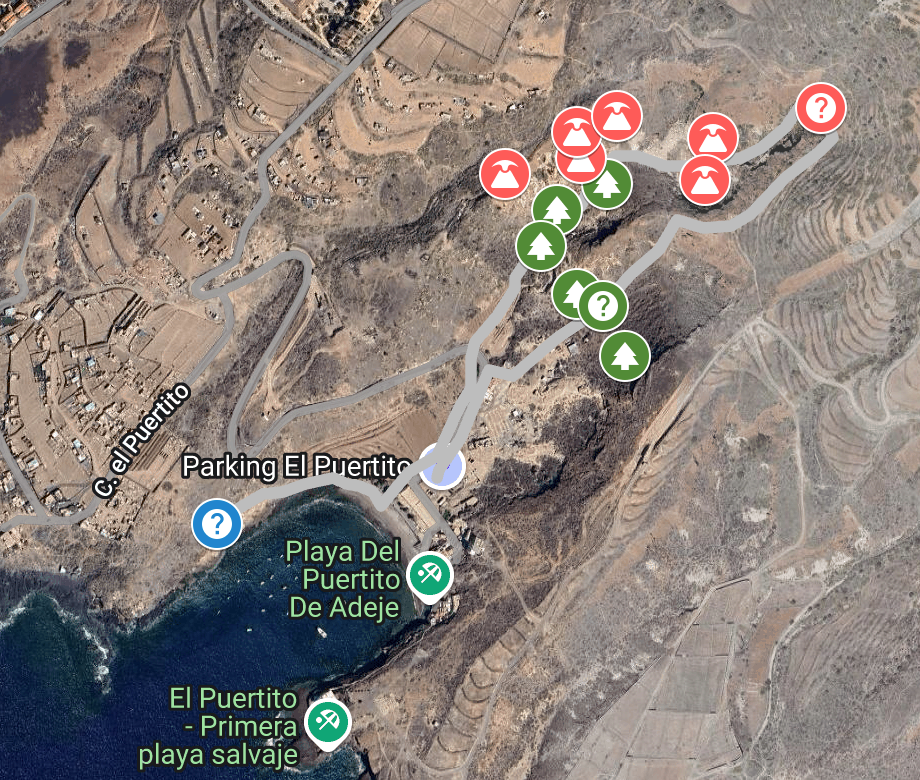
  • Interactive map of the Vegetation, Marine Life, and Geology in El Puertito
  • Drone footage of the marine habitat of Puertito de Adeje
  • Video interviews and testimonials from residents and experts 
  • A detailed report on the impact of this project on the people and environment 
La Palma’s tourist industry was disrupted during the Tajogaite 2021 eruption that destroyed 1,000 beds under lava flows and a further 4,000 beds in the tourist hotspot Puerto Naos have been inaccessible for 2 years due to high carbon dioxide emissions. Residents, ecologists, and left-wing parties have shown their disapproval of the proposed Eco-resort Camino Real La Pavona which they claim has the potential to overwhelm already scarce water resources, take up high-value agricultural land, and impact the biodiversity of the protected landscapes, all while green-washing itself as an ‘eco-resort’. This project will be a focus of our 2024 GeoIntern research programme. 

Media appearances

Interview with RTVE

Interview with ITV

Interview with LBC 

Interview with MirameTV

Interview with GB News 

Roundtable with TRT World 

Current Projects

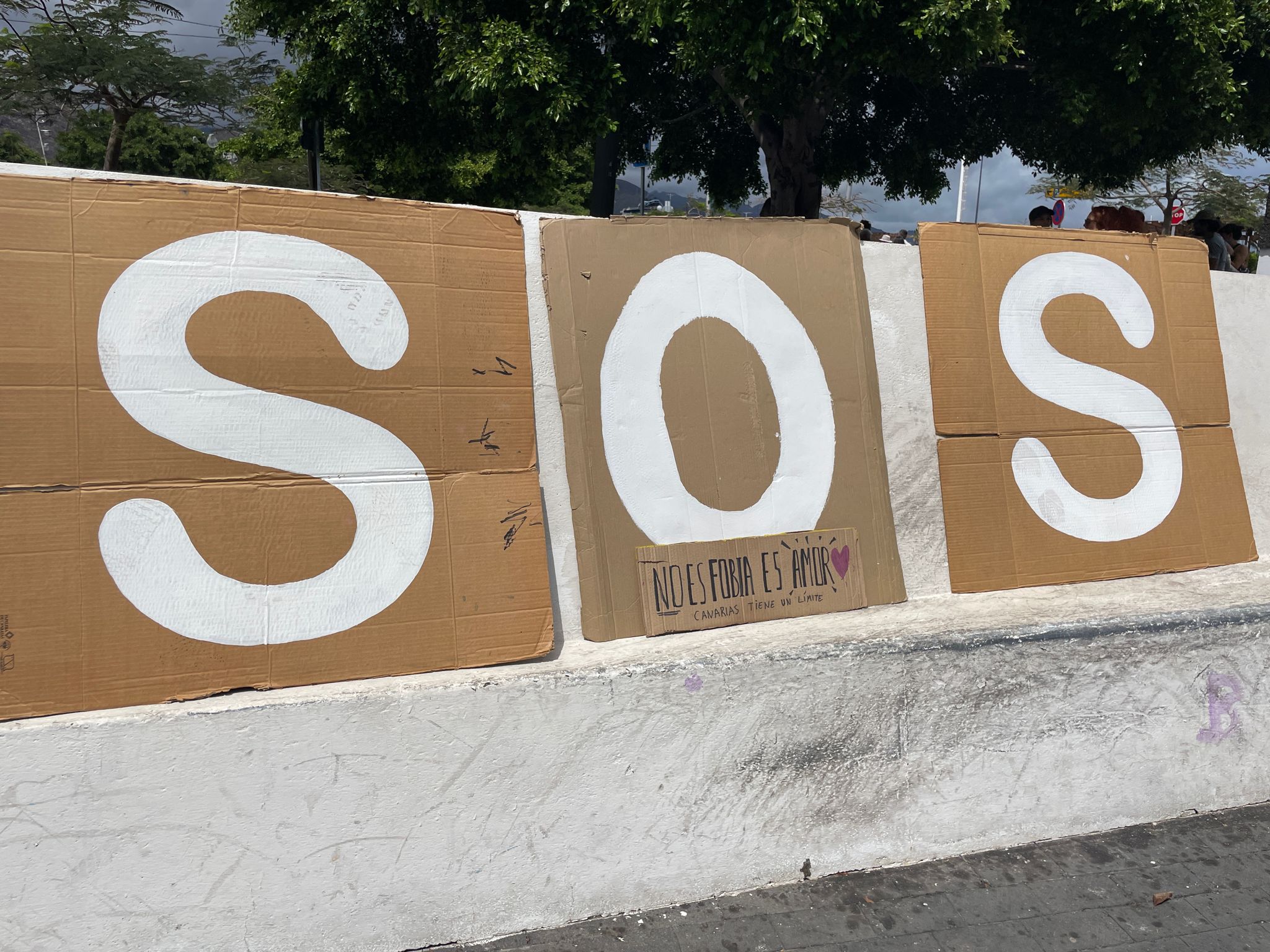
This document presents open draft proposals for policy action by the SOS Canary Islands Foundation. It covers a range of issues including sovereignty (food, energy, economic), natural heritage, water and landscape, mobility, transport, climate change, waste management, care and well-being, and environmental participation. The proposal aims to protect the natural heritage of the islands, increase the archipelago’s sovereignty, and improve the quality of life of the residents. Access the original document and the translated English document below.

ERRORS AND OMMISSIONS: VolcanoStories represents our best endeavour to reflect the situation in the Canary Islands accurately, but we fully accept it may contain errors and omissions for which we apologise in advance and ask for your HELP. We encourage individuals or institutions who see an ERROR or who would like to CONTRIBUTE further material to help in this endeavour please contact us.

VolcanoStories content is freely available for students, educational establishments and academics – all we ask is that you cite “GeoTenerife’s VolcanoStories”. 

However, the content is not to be used for commercial use. Any media or commercial outlet wanting to use any content herein should contact us in writing in the first instance via enquiries@geotenerife.com.

For more detail, refer to our Terms of Use.