
Más Recientes
La Palma Reconstruction – December 2025
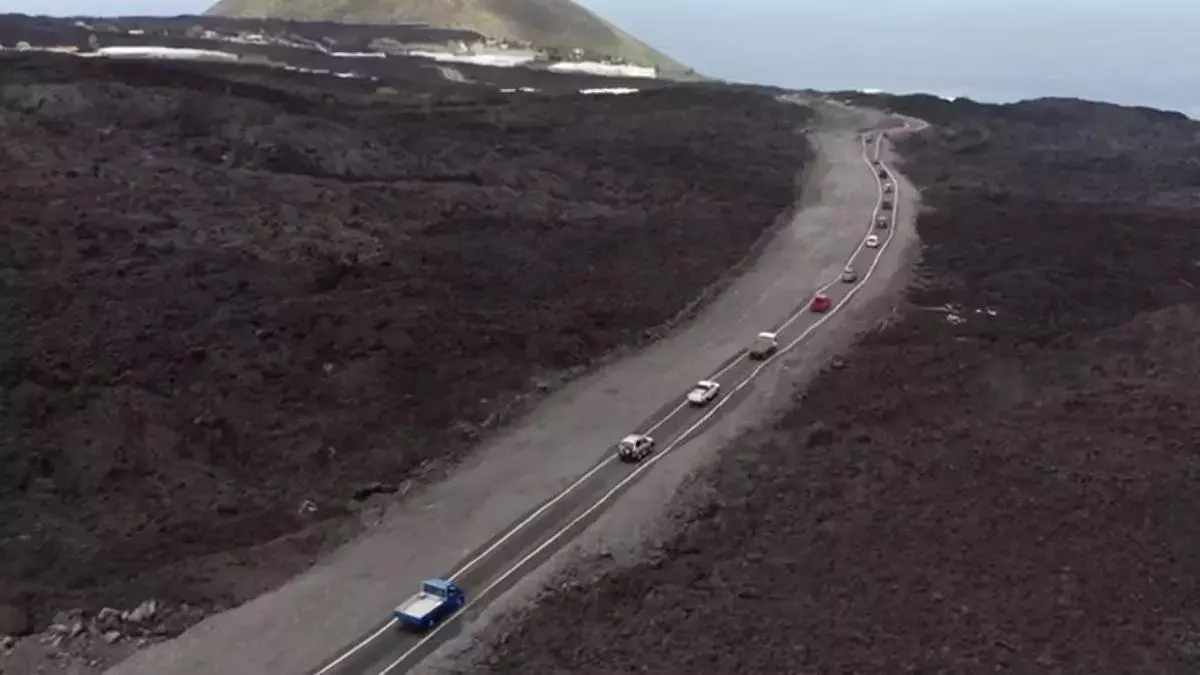
National Volcanology Centre Headquarters will be in La Palma - Gas extraction pipe installed in Puerto Naos - €1.2 billion spent by Spain on reconstruction - €100 million aid for lost farms - Income tax reduction extended until 2027 - LP-2 road reconstruction begins after delays - Protests from residents in the 'red zone' - New building acquired for housing for those who lost their homes - Access tracks created to more isolated neighbourhoods - Repair works for water infrastructure finished
Volcán de Tajogaite (2021) Erupción y Reconstrucción
GeoTenerife tiene como objetivo contar las historias no escuchadas de las personas afectadas por la erupción de 2021 del Volcán de Tajogaite, en La Palma. A través de nuestra colaboración con Alexander Whittle, de New Light Studio, GeoTenerife ha producido dos documentales: LAVA BOMBS: Truths Behind the Volcano y LAVA BOMBS 2: The Reconstruction.
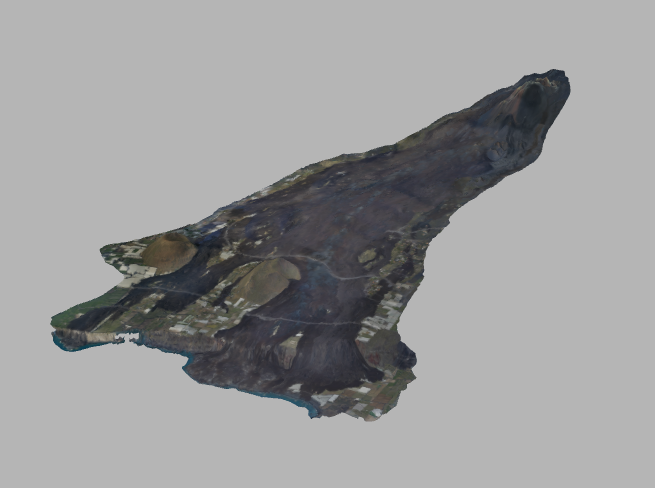
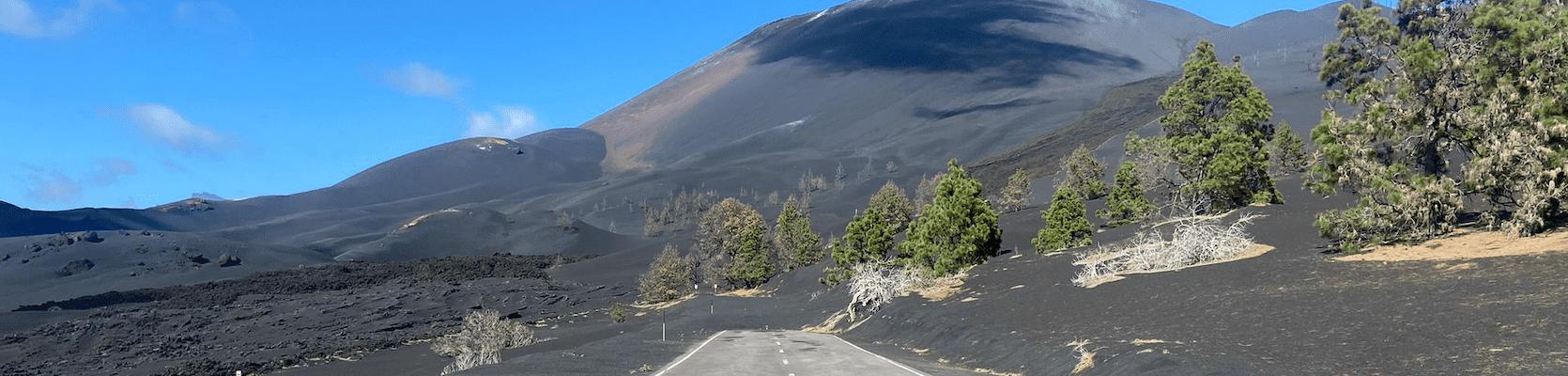
La erupción del Tajogaite en 2021 fue la más grande y destructiva registrada en La Palma en los últimos 500 años. Provocó daños valorados en aproximadamente 1.000 millones de euros, desplazó a más de 7.000 personas y destruyó 3.000 edificaciones, de las cuales 2.000 eran viviendas. A continuación se presentan algunos de los vídeos resumen elaborados por VolcanoStories:
Una colección de entrevistas a testigos de la erupción de La Palma del 2021, dirigidas por GeoTenerife. Estas entrevistas luego fueron utilizadas en el documental Lava Bombs: The Truth Behind the Volcano
Para ayudar a contextualizar la ciencia y contrarrestar el sensacionalismo, GeoTenerife participó en retransmisiones en directo a través de redes sociales y en entrevistas con medios de comunicación locales, nacionales e internacionales durante la erupción volcánica de La Palma. A continuación se presentan las listas de reproducción que documentan nuestro trabajo.
Organizaciones Benéficas para ayudar a los residentes afectados
Aquí puedes encontrar las campañas solidarias a las que hemos aportado para ayudar a los residentes afectados por la erupción de La Palma
Forum breadcrumbs - You are here:VolcanoStories ForumVolcanoStories: The ConversationThe conversation: Cuna del Alma, …
The conversation: Cuna del Alma, the SeaLab and the Turtles

GeoTenerife@geotenerife
18 Posts
#1 · 11 December, 2025, 10:59 am
Quote from GeoTenerife on 11 December, 2025, 10:59 amOpinion piece
By Damien Lim
and Sergio Alfaya, GeoTenerife
The Canary Islands are marketing themselves as a paradise of biodiversity and sustainable tourism. But the story of the Puertito de Adeje SeaLab reveals a very different truth: a pattern in which local authorities exploit environmental restoration initiatives for public relations, only to erase them when real-estate interests come calling.
The story begins in 2004, when Tenerife faced a silent ecological collapse. An invasive sea urchin species was devastating the island’s marine ecosystem, consuming the algae ecosystem that once supported a rich coastal food web. In response, diver and conservationist David Novillo founded the Océano Sostenible Association, launching a hands-on effort to restore marine life in Puertito de Adeje. They called it the SeaLab.
What happened next was extraordinary.
Océano Sostenible’s efforts in destroying the sea urchin plague were successful. As the algae ecosystem recovered, marine wildlife started coming back to Puertito. Sea turtles began appearing once again to feed, grow and reproduce in the safety of the bay, some traveling from as far as Mauritania, Cape Verde, and even Costa Rica. The SeaLab team monitored the turtles’ health, collaborated with the La Tahonilla wildlife recovery center, and regularly assisted injured individuals. Volunteers poured in by the hundreds.
Tourists noticed.
So did the authorities.
By 2009, both the Spanish Directorate General for the Coast and the Canary Islands government were on board with the project. In 2012, the directorate even funded new seabed-surveying equipment shipped from the mainland. The Adeje municipality promoted Puertito as the bay of the turtles, using images of David’s work in its own communications and reaping the benefits of a booming local economy centred on sustainable tourism.
The SeaLab gained international recognition, earning awards from National Geographic, the British Guild of Travel Writers, and others. David even carried out the first underwater video call ever made in the bay—exactly the type of innovation that institutions were proud to showcase.
Then, abruptly, everything changed.
When a Conservation Project Became an Obstacle
In 2014, Océano Sostenible requested a licence to use a warehouse in Puertito as a permanent base for the SeaLab. The owner was granting the space freely for the project. But despite years of public support, the Adeje municipality denied it. Only then did David learn the truth: the land had been sold years earlier, and the municipality had quietly drawn up plans for a massive megahotel as far back as 1998.
The same authorities that had promoted his work were now preparing to displace it.
For four years, Océano Sostenible battled with the municipality for permits—battles they ultimately lost. In 2018, exhausted, the SeaLab was forced to shut down. Without monitoring, habitat maintenance, or turtle care, the population in the bay quickly collapsed. David returned to find broken shells, dead hatchlings, and no meaningful response from local officials.
The “bay of the turtles” was still being marketed.
Only the turtles were gone.
"There is a fantastic quote attributed to Walt Disney that says, “Think about whether what you are doing today is bringing you closer to where you want to be tomorrow.” Here, we could say to our politicians, with Mr. Disney's permission, that they should think about whether what they are allowing today is bringing them closer to the island they want to be on tomorrow..." David Novillo
The New ‘SeaLab’: Sustainability as Marketing
The megahotel project continued moving forward. When its 2019 Urbanism Plan was released, David found yet another surprise: it included a “SeaLab” of its own. But this version—less than 500 m² (about a third of an olympic swimming pool), squeezed between beach services and allowed to hold electrical transformers and pumping stations—had nothing in common with the conservation programme it was appropriating. It was a branding tool, not a scientific facility.
Construction began in 2022. To make way, a Site of Geological Interest with a high protection priority declared by the Spanish Survey (IGME-CSIC) is currently being bulldozed. It is the most-sponsored site in Spain on IGME’s Adopt A Rock Campaign, backed by leading international experts.
Plans include dumping artificial sand onto the beach—an irreversible intervention guaranteed to destroy what remains of the restored habitat.
Yet the promotional materials remain the same: “turtles, science, sustainability, innovation.”
The real story is far darker.
What Puertito de Adeje Reveals
The case of Puertito de Adeje is not only a story of one bay. It is a warning for the Canaries.
It shows how local governments can publicly embrace grassroots conservation while privately advancing projects that will erase the ecosystems those citizens fought to restore. It shows how “sustainability” can be weaponized—reduced to a marketing slogan that obscures environmental destruction and rewards speculative development.
Most painfully, it shows how easily decades of volunteer-led ecological recovery can be undone.
Puertito de Adeje was not destroyed by neglect.
It was destroyed by choice.
A Call to Protect What Remains
The Canary Islands are nearing a point of no return. If genuine conservation continues losing out to short-term tourism investments, there will soon be nothing left to market—not ecosystem, not turtle habitats, not the last virgin beaches of southern Tenerife.
The story of David Novillo and Océano Sostenible is a testament to what local communities can achieve in collaboration with tourists when given space to protect their own ecosystems. David’s work was funded by tourism, as visiting divers paid for the SeaLab’s operations and participated in the work. A true example of sustainable tourism. Sadly, it has become a testament of how quickly their work can be co-opted, diluted, or discarded.Puertito de Adeje could have been a model for regenerative tourism. It is becoming a monument to greenwashing and wanton destruction instead.
The question now is whether locals and the authorities will allow this pattern to continue—or whether the Canary Islands will choose a future where sustainability is more than a slogan.
Opinion piece
By Damien Lim
and Sergio Alfaya, GeoTenerife
The Canary Islands are marketing themselves as a paradise of biodiversity and sustainable tourism. But the story of the Puertito de Adeje SeaLab reveals a very different truth: a pattern in which local authorities exploit environmental restoration initiatives for public relations, only to erase them when real-estate interests come calling.
The story begins in 2004, when Tenerife faced a silent ecological collapse. An invasive sea urchin species was devastating the island’s marine ecosystem, consuming the algae ecosystem that once supported a rich coastal food web. In response, diver and conservationist David Novillo founded the Océano Sostenible Association, launching a hands-on effort to restore marine life in Puertito de Adeje. They called it the SeaLab.
What happened next was extraordinary.
Océano Sostenible’s efforts in destroying the sea urchin plague were successful. As the algae ecosystem recovered, marine wildlife started coming back to Puertito. Sea turtles began appearing once again to feed, grow and reproduce in the safety of the bay, some traveling from as far as Mauritania, Cape Verde, and even Costa Rica. The SeaLab team monitored the turtles’ health, collaborated with the La Tahonilla wildlife recovery center, and regularly assisted injured individuals. Volunteers poured in by the hundreds.
Tourists noticed.
So did the authorities.
By 2009, both the Spanish Directorate General for the Coast and the Canary Islands government were on board with the project. In 2012, the directorate even funded new seabed-surveying equipment shipped from the mainland. The Adeje municipality promoted Puertito as the bay of the turtles, using images of David’s work in its own communications and reaping the benefits of a booming local economy centred on sustainable tourism.
The SeaLab gained international recognition, earning awards from National Geographic, the British Guild of Travel Writers, and others. David even carried out the first underwater video call ever made in the bay—exactly the type of innovation that institutions were proud to showcase.
Then, abruptly, everything changed.
When a Conservation Project Became an Obstacle
In 2014, Océano Sostenible requested a licence to use a warehouse in Puertito as a permanent base for the SeaLab. The owner was granting the space freely for the project. But despite years of public support, the Adeje municipality denied it. Only then did David learn the truth: the land had been sold years earlier, and the municipality had quietly drawn up plans for a massive megahotel as far back as 1998.
The same authorities that had promoted his work were now preparing to displace it.
For four years, Océano Sostenible battled with the municipality for permits—battles they ultimately lost. In 2018, exhausted, the SeaLab was forced to shut down. Without monitoring, habitat maintenance, or turtle care, the population in the bay quickly collapsed. David returned to find broken shells, dead hatchlings, and no meaningful response from local officials.
The “bay of the turtles” was still being marketed.
Only the turtles were gone.
"There is a fantastic quote attributed to Walt Disney that says, “Think about whether what you are doing today is bringing you closer to where you want to be tomorrow.” Here, we could say to our politicians, with Mr. Disney's permission, that they should think about whether what they are allowing today is bringing them closer to the island they want to be on tomorrow..." David Novillo
The New ‘SeaLab’: Sustainability as Marketing
The megahotel project continued moving forward. When its 2019 Urbanism Plan was released, David found yet another surprise: it included a “SeaLab” of its own. But this version—less than 500 m² (about a third of an olympic swimming pool), squeezed between beach services and allowed to hold electrical transformers and pumping stations—had nothing in common with the conservation programme it was appropriating. It was a branding tool, not a scientific facility.
Construction began in 2022. To make way, a Site of Geological Interest with a high protection priority declared by the Spanish Survey (IGME-CSIC) is currently being bulldozed. It is the most-sponsored site in Spain on IGME’s Adopt A Rock Campaign, backed by leading international experts.
Plans include dumping artificial sand onto the beach—an irreversible intervention guaranteed to destroy what remains of the restored habitat.
Yet the promotional materials remain the same: “turtles, science, sustainability, innovation.”
The real story is far darker.
What Puertito de Adeje Reveals
The case of Puertito de Adeje is not only a story of one bay. It is a warning for the Canaries.
It shows how local governments can publicly embrace grassroots conservation while privately advancing projects that will erase the ecosystems those citizens fought to restore. It shows how “sustainability” can be weaponized—reduced to a marketing slogan that obscures environmental destruction and rewards speculative development.
Most painfully, it shows how easily decades of volunteer-led ecological recovery can be undone.
Puertito de Adeje was not destroyed by neglect.
It was destroyed by choice.
A Call to Protect What Remains
The Canary Islands are nearing a point of no return. If genuine conservation continues losing out to short-term tourism investments, there will soon be nothing left to market—not ecosystem, not turtle habitats, not the last virgin beaches of southern Tenerife.
The story of David Novillo and Océano Sostenible is a testament to what local communities can achieve in collaboration with tourists when given space to protect their own ecosystems. David’s work was funded by tourism, as visiting divers paid for the SeaLab’s operations and participated in the work. A true example of sustainable tourism. Sadly, it has become a testament of how quickly their work can be co-opted, diluted, or discarded.Puertito de Adeje could have been a model for regenerative tourism. It is becoming a monument to greenwashing and wanton destruction instead.
The question now is whether locals and the authorities will allow this pattern to continue—or whether the Canary Islands will choose a future where sustainability is more than a slogan.
Click for thumbs down.0Click for thumbs up.0