
Más Recientes
La Palma Reconstruction – December 2025
National Volcanology Centre Headquarters will be in La Palma - Gas extraction pipe installed in Puerto Naos - €1.2 billion spent by Spain on reconstruction - €100 million aid for lost farms - Income tax reduction extended until 2027 - LP-2 road reconstruction begins after delays - Protests from residents in the 'red zone' - New building acquired for housing for those who lost their homes - Access tracks created to more isolated neighbourhoods - Repair works for water infrastructure finished
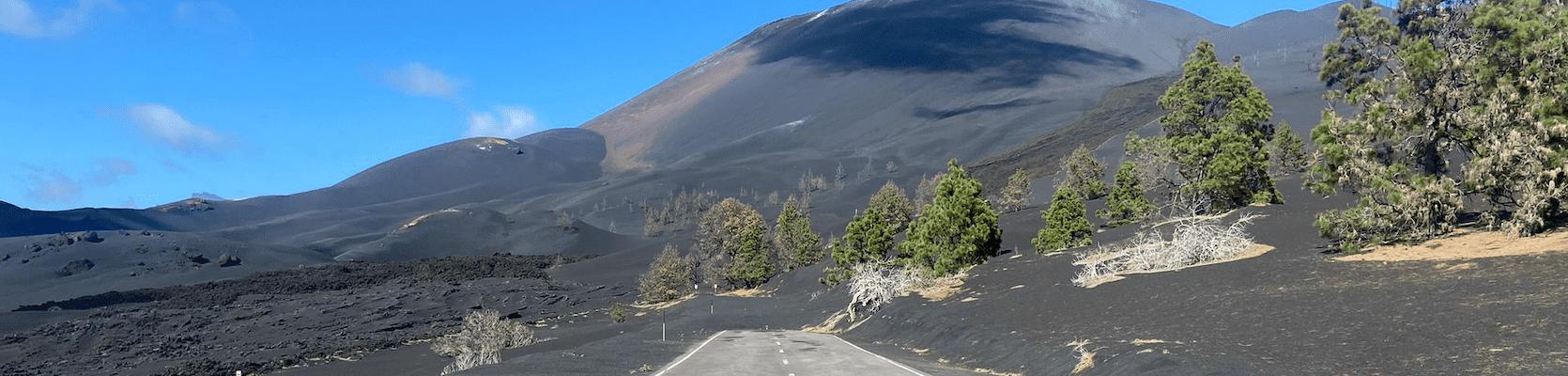
Volcán de Tajogaite (2021) Erupción y Reconstrucción
GeoTenerife tiene como objetivo contar las historias no escuchadas de las personas afectadas por la erupción de 2021 del Volcán de Tajogaite, en La Palma. A través de nuestra colaboración con Alexander Whittle, de New Light Studio, GeoTenerife ha producido dos documentales: LAVA BOMBS: Truths Behind the Volcano y LAVA BOMBS 2: The Reconstruction.
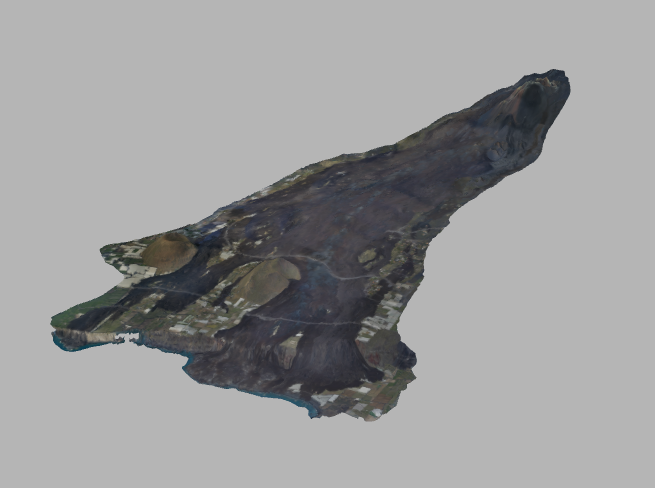
La erupción del Tajogaite en 2021 fue la más grande y destructiva registrada en La Palma en los últimos 500 años. Provocó daños valorados en aproximadamente 1.000 millones de euros, desplazó a más de 7.000 personas y destruyó 3.000 edificaciones, de las cuales 2.000 eran viviendas. A continuación se presentan algunos de los vídeos resumen elaborados por VolcanoStories:
Una colección de entrevistas a testigos de la erupción de La Palma del 2021, dirigidas por GeoTenerife. Estas entrevistas luego fueron utilizadas en el documental Lava Bombs: The Truth Behind the Volcano
Para ayudar a contextualizar la ciencia y contrarrestar el sensacionalismo, GeoTenerife participó en retransmisiones en directo a través de redes sociales y en entrevistas con medios de comunicación locales, nacionales e internacionales durante la erupción volcánica de La Palma. A continuación se presentan las listas de reproducción que documentan nuestro trabajo.
Organizaciones Benéficas para ayudar a los residentes afectados
Aquí puedes encontrar las campañas solidarias a las que hemos aportado para ayudar a los residentes afectados por la erupción de La Palma
Forum breadcrumbs - You are here:VolcanoStories ForumVolcanoStories: The ConversationThe conversation: Is the Spanish …
The conversation: Is the Spanish Government keeping its promises to La Palma?

GeoTenerife@geotenerife
18 Posts
#1 · 11 December, 2025, 11:51 am
Quote from GeoTenerife on 11 December, 2025, 11:51 amOpinion piece
Ben Ireland, Volcanology PhD student and Lead Scientific Advisor, GeoTenerife
In the wake of the 2021 Tajogaite eruption in La Palma, the most destructive eruption on the island in the last 500 years, many announcements on financial aid from the Spanish Government to help pay for the reconstruction were published. But four years on, it’s unclear how much money has arrived or been promised, creating further challenges and uncertainty for those affected and struggling to recover. The lack of communication and transparency over these announcements is troubling. What do we know?
With direct damage estimates of over €1 billion, with significant long-term indirect damages, the 2021 Tajogaite eruption in La Palma caused a much larger financial impact than the small island economy could bear. Even simple recovery tasks such as ash cleanup on the streets and roads cost millions of Euros.
What was said?
In December 2023, the local ruling party Coalición Canaria announced that a four-year reconstruction aid deal had been struck with the Spanish and Canarian Governments so locals could recover “the full value of what they had lost”. Kicking off in 2023, they said, it would inject €100 million per year from the Spanish Government and €50 million from the Government of the Canary Islands, earmarked for La Palma’s reconstruction projects. This, they said, would guarantee La Palma €600 million in reconstruction funds (€150 million annually) from 2023-2027.
This was reaffirmed by an announcement by Coalición Canaria in November 2023 after the July 2023 elections in Spain, stating the €100 million would be included in the General State Budget for the next four years, under the new government. But here's the problem: the official document of the agreement, called Agenda Canaria PSOE/Coalición Canaria outlines just one single €100 million payment from the Spanish Government for the La Palma Recovery Plan, not four.
What has been paid by Madrid?
The €100 million from the Spanish government was paid in December 2023. Its aim was to help Palmeros recover the full value of the loss of their main home. Although there’s a discussion to be had about the official valuation of those homes, as of today, four years on, all bar 25 have recovered the cost of the home they lost between insurance payments, the €60,000 from the Spanish Government, €30,000 from the Canary Island Government and a “top up” from the extra €100 million sent from Madrid.
Hector Izquierdo, the Madrid government’s Special Commissioner for the Reconstruction of La Palma, told us; “the last 25 homes are taking longer to straighten out due to inheritance or other paperwork, but the money is already allocated for them so they will receive it, as long as the paperwork is resolved.”
However, the expectation locally is that the Spanish Government has yet to transfer €100 million for 2024, 2025 and 2026. This has led to numerous demands from the Associations of Affected Residents, the Cabildo de La Palma, and the Government of the Canary Islands for “the promised payments”. But Izquierdo said in May 2025 that there were “no outstanding payments of additional 100 million amounts” on the agenda..
Meanwhile, perhaps in consolation, the Canary Islands Government, who have been complying with their €50 million annual payments, have offered to extend their payments beyond 2027 if the Spanish Government does not guarantee an ongoing, yearly €100 million contribution.
“The next step is to ensure farmers recover the full value of what they lost to the lava,” Izquierdo told us. “All parties involved have agreed on a price of €44 per square metre of plantation, and €1,500 per metre of construction like water tanks and sheds. The Spanish government started to pay it in 2024, and we expect to finish these payments in the coming months. Larger operators, like Europlátano, have already recovered 50% of their plantations, but we have to work hard to help smaller farmers get back on their feet. We have paid for roads, job packages and other initiatives, but agriculture is the priority now. Six local banks are offering soft credits, and farmers who want to get started again can apply for them in the knowledge that aid is coming, but will take a little longer.”
Again, a discussion is to be had over the valuations, not just per square metre to reconstruct, but for lost revenue four years on and counting, for a true accounting of what was lost.
And this measure has not been without controversy either - agricultural land has been offered at €44 per square metre whereas others have only been offered €20, with the Spanish Delegate in the Canary Islands, Anselmo Pestana, telling the press that expropriation will vary between €10 to €70 per square metre, depending on the circumstances. Those affected say the price differences are unfair.
Other measures
Izquierdo told us the Spanish government remains committed to a four-year, 60% reduction in income tax across La Palma to kickstart its economy following the eruption. The reduction is applied retrospectively, which can cause problems for locals. “We need to find a window to pass the legislation, but we are committed to it and it will happen,” he said. Local VAT, or IGIC, has periodically been set at 0 for La Palma in this post-eruption period and has now been extended to December 202,5 with a lack of clarity over its future application, although this is applied by the Canarian Government, not Madrid.
Second homes
Locals also lost secondary homes to the eruption. “Most of those were insured, but the difference will be made up for those that were not,” Izquierdo tells us. Again, a discussion is to be had about the official valuation of those properties and income lost for those who were renting them out. But the immediate priority, says Izquierdo, is the agricultural sector.
Uncertainty over infrastructure aid
A final outstanding aid commitment from the Spanish Government is for the reconstruction of damaged infrastructure on the island, where they committed to paying 50% of the costs. But 50% of what…?
Initially, following the eruption, total damage was estimated at €24 million, of which the Spanish Government paid €12 million as promised in late 2022. Since then, more detailed damage assessments have significantly increased the estimated cost and thus the amount owed by the Spanish Government. In summer 2023, the total cost was increased by €12 million to €36 million, and the Spanish Government transferred an additional €6 million in August 2025.
However, in the meantime, the Cabildo de La Palma has been re-evaluating the estimated cost of infrastructure repairs. The estimated cost has risen to €62 million, which would mean the Spanish Government owes another €13 million (paying €31 million overall).
Many different figures have been reported for the estimated cost of infrastructure damage, how it was calculated and how much the Spanish Government owes. Aside from the earlier €62 million estimate, El Día and La Rázon reported in August 2025 that the Cabildo have estimated an extra €105 million for this damage, potentially indicating La Palma is owed €52.5 million from the Spanish Government, if the higher figure is justified.
In June 2025, it was reported by Canal 11 that the Spanish Government owes the Cabildo de La Palma approximately €40 million for infrastructure recovery projects, as well as another €35 million to the municipalities in the Aridane Valley for similar recovery projects.
We asked Izquierdo to clarify: “For infrastructure projects, the government of Spain has already paid 50% of the cost of road and other infrastructure projects as follows: El Paso (€26.92m); Tazacorte (€9.37m); Los Llanos (€33m) and to the Cabildo (€36.70m). This summer, two new requests were made: Los Llanos (€65.66m) and the Cabildo (€105.02m) for roads not originally included”.
Complex verification procedures are required before public money is paid out: as he explained in Lava Bombs 2: The Reconstruction, Izquierdo says Madrid needs to cross-check how money is allocated and will be spent. Committing to covering 50% is not a “blank cheque”.
A plea
As we mark the fourth anniversary of the eruption, it is important to remember that any impacts on reconstruction will be keenly felt by the residents left most vulnerable by the eruption. New elections loom on the island in 2027, and as we gear up for electioneering, all parties should exercise restraint and responsibility, communicating factually and with clarity, or this issue risks becoming a political football, adding to the uncertainty and angst of those most in need.
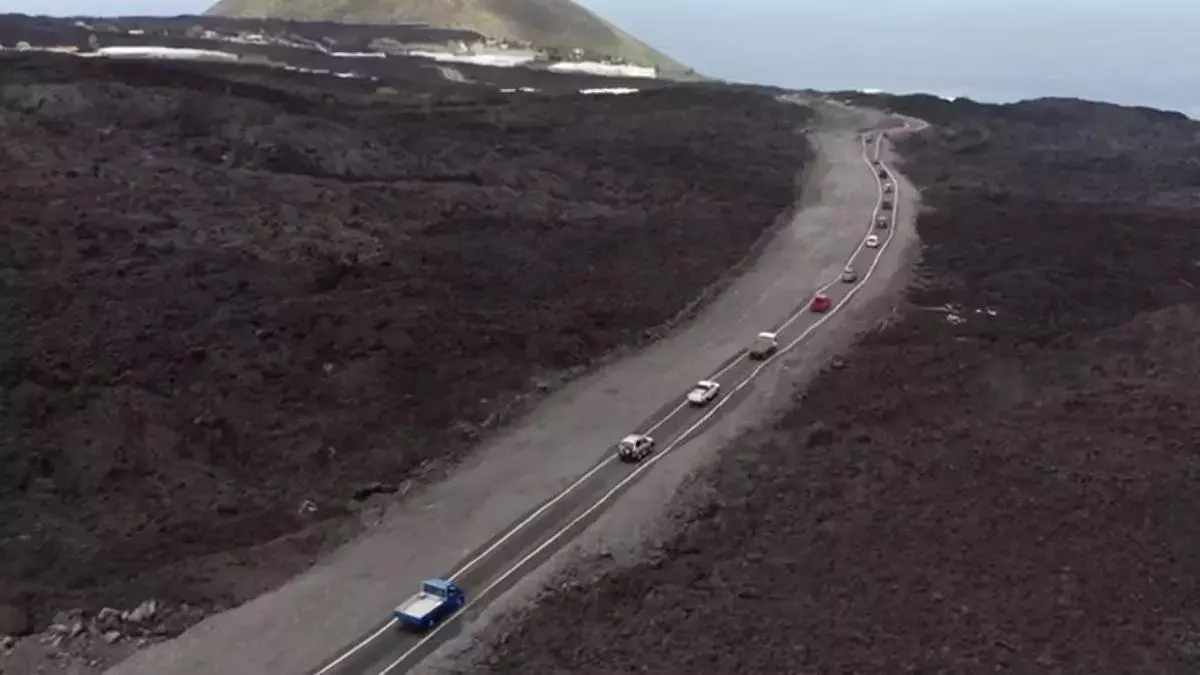
A prime example of this is the reconstruction of the LP2 road to reconnect the isolated town of Las Manchas across the flows. The island President, Sergio Rodríguez, promised to rebuild it. We’re told he travelled to Madrid, secured a commitment from the Central Government to fund it by paying the Cabildo directly, but the Canarian Government blocked it, saying it would set a precedent and threaten their control over large road budgets across the islands. Now political rhetoric is heating up, with politicians seeking to secure the island council again, pointing the finger at Rodríguez for “not fulfilling his promise to rebuild the road”, when they were the ones who blocked it from happening. They announce fanciful plans for a tunnel under the fresh lava flows, which we will address in a future opinion piece.
La Palma needs more money to get back on its feet, a boost to help the island generate, not stagnate. With a recognition that they not only lost homes and bananas but also income for four years, and price rises in the interim mean that the money they receive doesn’t go as far. It also needs serene heads and transparency. For that, we hope political flags and rhetoric can be put aside.
Opinion piece
Ben Ireland, Volcanology PhD student and Lead Scientific Advisor, GeoTenerife
In the wake of the 2021 Tajogaite eruption in La Palma, the most destructive eruption on the island in the last 500 years, many announcements on financial aid from the Spanish Government to help pay for the reconstruction were published. But four years on, it’s unclear how much money has arrived or been promised, creating further challenges and uncertainty for those affected and struggling to recover. The lack of communication and transparency over these announcements is troubling. What do we know?
With direct damage estimates of over €1 billion, with significant long-term indirect damages, the 2021 Tajogaite eruption in La Palma caused a much larger financial impact than the small island economy could bear. Even simple recovery tasks such as ash cleanup on the streets and roads cost millions of Euros.
What was said?
In December 2023, the local ruling party Coalición Canaria announced that a four-year reconstruction aid deal had been struck with the Spanish and Canarian Governments so locals could recover “the full value of what they had lost”. Kicking off in 2023, they said, it would inject €100 million per year from the Spanish Government and €50 million from the Government of the Canary Islands, earmarked for La Palma’s reconstruction projects. This, they said, would guarantee La Palma €600 million in reconstruction funds (€150 million annually) from 2023-2027.
This was reaffirmed by an announcement by Coalición Canaria in November 2023 after the July 2023 elections in Spain, stating the €100 million would be included in the General State Budget for the next four years, under the new government. But here's the problem: the official document of the agreement, called Agenda Canaria PSOE/Coalición Canaria outlines just one single €100 million payment from the Spanish Government for the La Palma Recovery Plan, not four.
What has been paid by Madrid?
The €100 million from the Spanish government was paid in December 2023. Its aim was to help Palmeros recover the full value of the loss of their main home. Although there’s a discussion to be had about the official valuation of those homes, as of today, four years on, all bar 25 have recovered the cost of the home they lost between insurance payments, the €60,000 from the Spanish Government, €30,000 from the Canary Island Government and a “top up” from the extra €100 million sent from Madrid.
Hector Izquierdo, the Madrid government’s Special Commissioner for the Reconstruction of La Palma, told us; “the last 25 homes are taking longer to straighten out due to inheritance or other paperwork, but the money is already allocated for them so they will receive it, as long as the paperwork is resolved.”
However, the expectation locally is that the Spanish Government has yet to transfer €100 million for 2024, 2025 and 2026. This has led to numerous demands from the Associations of Affected Residents, the Cabildo de La Palma, and the Government of the Canary Islands for “the promised payments”. But Izquierdo said in May 2025 that there were “no outstanding payments of additional 100 million amounts” on the agenda..
Meanwhile, perhaps in consolation, the Canary Islands Government, who have been complying with their €50 million annual payments, have offered to extend their payments beyond 2027 if the Spanish Government does not guarantee an ongoing, yearly €100 million contribution.
“The next step is to ensure farmers recover the full value of what they lost to the lava,” Izquierdo told us. “All parties involved have agreed on a price of €44 per square metre of plantation, and €1,500 per metre of construction like water tanks and sheds. The Spanish government started to pay it in 2024, and we expect to finish these payments in the coming months. Larger operators, like Europlátano, have already recovered 50% of their plantations, but we have to work hard to help smaller farmers get back on their feet. We have paid for roads, job packages and other initiatives, but agriculture is the priority now. Six local banks are offering soft credits, and farmers who want to get started again can apply for them in the knowledge that aid is coming, but will take a little longer.”
Again, a discussion is to be had over the valuations, not just per square metre to reconstruct, but for lost revenue four years on and counting, for a true accounting of what was lost.
And this measure has not been without controversy either - agricultural land has been offered at €44 per square metre whereas others have only been offered €20, with the Spanish Delegate in the Canary Islands, Anselmo Pestana, telling the press that expropriation will vary between €10 to €70 per square metre, depending on the circumstances. Those affected say the price differences are unfair.
Other measures
Izquierdo told us the Spanish government remains committed to a four-year, 60% reduction in income tax across La Palma to kickstart its economy following the eruption. The reduction is applied retrospectively, which can cause problems for locals. “We need to find a window to pass the legislation, but we are committed to it and it will happen,” he said. Local VAT, or IGIC, has periodically been set at 0 for La Palma in this post-eruption period and has now been extended to December 202,5 with a lack of clarity over its future application, although this is applied by the Canarian Government, not Madrid.
Second homes
Locals also lost secondary homes to the eruption. “Most of those were insured, but the difference will be made up for those that were not,” Izquierdo tells us. Again, a discussion is to be had about the official valuation of those properties and income lost for those who were renting them out. But the immediate priority, says Izquierdo, is the agricultural sector.
Uncertainty over infrastructure aid
A final outstanding aid commitment from the Spanish Government is for the reconstruction of damaged infrastructure on the island, where they committed to paying 50% of the costs. But 50% of what…?
Initially, following the eruption, total damage was estimated at €24 million, of which the Spanish Government paid €12 million as promised in late 2022. Since then, more detailed damage assessments have significantly increased the estimated cost and thus the amount owed by the Spanish Government. In summer 2023, the total cost was increased by €12 million to €36 million, and the Spanish Government transferred an additional €6 million in August 2025.
However, in the meantime, the Cabildo de La Palma has been re-evaluating the estimated cost of infrastructure repairs. The estimated cost has risen to €62 million, which would mean the Spanish Government owes another €13 million (paying €31 million overall).
Many different figures have been reported for the estimated cost of infrastructure damage, how it was calculated and how much the Spanish Government owes. Aside from the earlier €62 million estimate, El Día and La Rázon reported in August 2025 that the Cabildo have estimated an extra €105 million for this damage, potentially indicating La Palma is owed €52.5 million from the Spanish Government, if the higher figure is justified.
In June 2025, it was reported by Canal 11 that the Spanish Government owes the Cabildo de La Palma approximately €40 million for infrastructure recovery projects, as well as another €35 million to the municipalities in the Aridane Valley for similar recovery projects.
We asked Izquierdo to clarify: “For infrastructure projects, the government of Spain has already paid 50% of the cost of road and other infrastructure projects as follows: El Paso (€26.92m); Tazacorte (€9.37m); Los Llanos (€33m) and to the Cabildo (€36.70m). This summer, two new requests were made: Los Llanos (€65.66m) and the Cabildo (€105.02m) for roads not originally included”.
Complex verification procedures are required before public money is paid out: as he explained in Lava Bombs 2: The Reconstruction, Izquierdo says Madrid needs to cross-check how money is allocated and will be spent. Committing to covering 50% is not a “blank cheque”.
A plea
As we mark the fourth anniversary of the eruption, it is important to remember that any impacts on reconstruction will be keenly felt by the residents left most vulnerable by the eruption. New elections loom on the island in 2027, and as we gear up for electioneering, all parties should exercise restraint and responsibility, communicating factually and with clarity, or this issue risks becoming a political football, adding to the uncertainty and angst of those most in need.
A prime example of this is the reconstruction of the LP2 road to reconnect the isolated town of Las Manchas across the flows. The island President, Sergio Rodríguez, promised to rebuild it. We’re told he travelled to Madrid, secured a commitment from the Central Government to fund it by paying the Cabildo directly, but the Canarian Government blocked it, saying it would set a precedent and threaten their control over large road budgets across the islands. Now political rhetoric is heating up, with politicians seeking to secure the island council again, pointing the finger at Rodríguez for “not fulfilling his promise to rebuild the road”, when they were the ones who blocked it from happening. They announce fanciful plans for a tunnel under the fresh lava flows, which we will address in a future opinion piece.
La Palma needs more money to get back on its feet, a boost to help the island generate, not stagnate. With a recognition that they not only lost homes and bananas but also income for four years, and price rises in the interim mean that the money they receive doesn’t go as far. It also needs serene heads and transparency. For that, we hope political flags and rhetoric can be put aside.
Click for thumbs down.0Click for thumbs up.0