Cabecera_GeoIntern

GeoIntern 2026: Applications are now open

We are proud to announce the launch of our 13th annual GeoIntern, a summer training programme we run in association with local and international experts and institutions that places students in active research projects where they can learn a range of highly transferable skills over the course of four weeks.

All of our GeoIntern programmes, which cover a range of disciplines, will take place from the 4th July to 1st August 2026. The deadline for applications is Friday, 6th March 2026, and it is open to undergraduates and recent graduates from relevant fields of study of any nationality. All teaching is in English.

All programmes include

GeoIntern is a great opportunity to learn a range of skills, attend exclusive lectures from leading local and international experts and gain experience working alongside seasoned professionals out in the field.

We are particularly interested in helping you to develop your science communication skills. Whatever your chosen career later on, learning how best to present your views on science and your work will stand you in good stead, and we believe learning to communicate science to the general public is vital so research is not limited just to papers and conferences.

Science Communication training 

Weeks 1 and 2 of GeoIntern will be dedicated to SciComm training to learn the latest practical skills in science communication, an introduction to the dramatic volcanology of the Canary Islands through a series of technical and field trips and training alongside IGN, Spanish National Geographic institute who are responsible for volcanic monitoring in Spain, in preparation for collaborative research work you will participate in during weeks 3 and 4.

Our Science Communication training takes place in weeks 1 and 2 of the programme and is run in association with Dr Hannah Little, lecturer in Communication and Media at the University of Liverpool, and Sharon Backhouse, Producer and Director of two award-winning documentaries on the eruption and reconstruction of La Palma Lava Bombs and Lava Bombs 2.

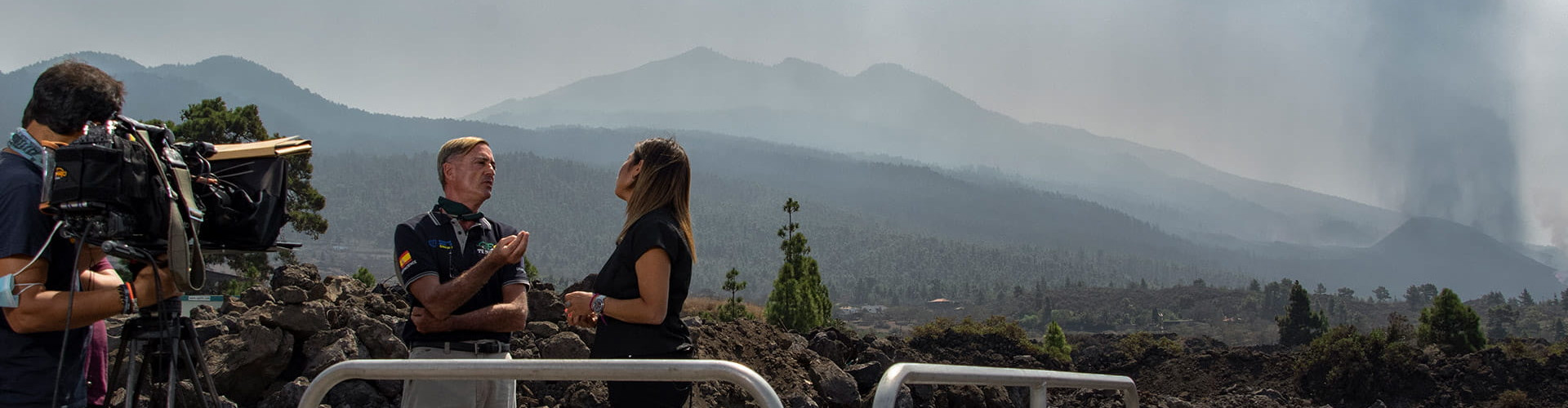
The science communication training teaches the latest practical skills in science communication, including science writing, video production, and communicating science through social media. It is taught in an interactive way that will enable you to develop confidence and skills when communicating. Students will have the opportunity to undertake science writing, develop an interview, a podcast, a science reel and short video. You will receive feedback on all your work.

The training will appeal to those considering a career in communicating about science and the environment, as well as those for whom communication may be part of their role, such as researchers. There will also be guided sessions of practical work overseen by our associated local experts in Tenerife. Students will receive feedback and start developing their portfolios.

The key skills students will learn are:

  • The art and science of telling a good story about science and the environment.

  • Using your knowledge of science and the environment to help bring about change.

  • How to present in a lively, engaging way about science for Reels, TikTok, and podcasts.

  • Producing a short video for Reels and TikTok about your research and the research of others.

  • Essential skills in presenting in front of a camera or live audience.

  • How to utilise social media to promote your work.

  • Adapting your communication to different audiences.

  • How to do an engaging interview for podcasts and videos.

  • Sound and video editing for brilliant audio (podcast) and video clips.

  • Scripting podcasts and vodcasts.

Contribution to VolcanoStories

The VolcanoStories project by GeoTenerife is a multimedia project which aims to increase awareness and understanding of volcanic preparedness, sustainable tourism, and geological research in the Canary Islands. To fulfil these aims, we create interactive and interesting new ways to share science with communities. You will have the opportunity to discuss and work alongside our Science Communication project manager after your training with Dr Hannah Little and be credited on our website for your contribution to the VolcanoStories project.

We aim to use our platform for open access science, which includes displaying the work of previous GeoInterns for free online. Your group poster and report will similarly be available after they are displayed and defended at the 5th International Vulcana Symposium in November 2026.

Weeks 3 and 4

From Week 3, GeoIntern will split into programmes A, B, C or D as outlined below.

Your collaboration alongside the professionals in the field will be fully recognised in any subsequent publication resulting from the research in our summer training programme.

A: Plinian deposits in Tenerife

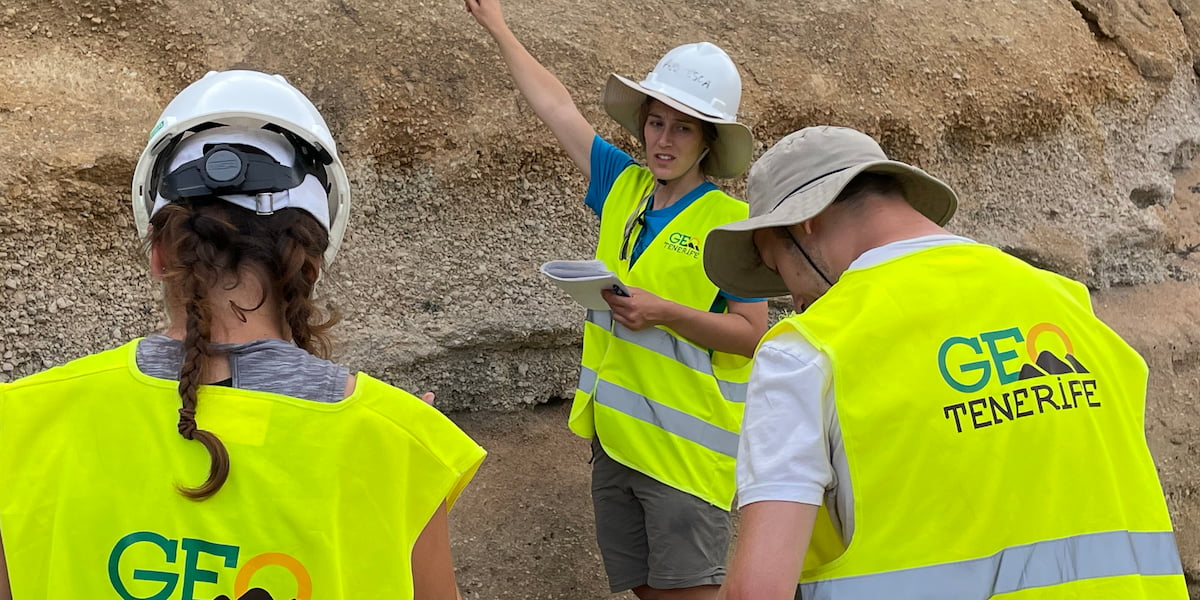
Field skills with Dr Richard Brown, Durham University, researching explosive deposits in the South of Tenerife for publication. Contributing towards VolcanoStories’ Volcanic Readiness project.

unnamed (2)

B: Genesis training bootcamp

Fieldwork and lab work in La Palma with our partners in  Genesis, an EU Horizon project researching underground water and nature-based solutions for the challenges brought by climate change. Your internship will contribute to our Genesis research and our citizen science hub.

C: Volcanic Resilience in Tenerife

Building Volcanic Resilience: Research project in collaboration with IGN, Instituto Geográfico Nacional (Spain), and with the support of Dr Janine Krippner.  Contributing towards VolcanoStories’ Volcanic Readiness project.

D: Sustainable Tourism in Tenerife

Research Project on the practices and impacts of unsustainable and sustainable tourism in Tenerife. Contributing towards our forthcoming documentary “Plunder for profit” and VolcanoStories’ Sustainable tourism project.

After the 2 research weeks your group will produce and present an academic poster to staff, visiting researchers, and other intern students. Subsequently, you will have the opportunity to have your group’s academic poster displayed and defended at the International Vulcana Symposium in November 2026.

At the conclusion of GeoIntern, we will hold a graduation at our HQ. Students will present a report of their work, and there will be a formal presentation of graduation Certificates attesting to the skills you have learnt (subject to students submitting timely original pieces of work as set throughout the course).

On successful graduation, we are here to advise, promote, support and act as referees for you long after your month with us in the Canary Islands ends.

Summer Programme Logistics

We take care of all your local accommodation, transfers (from meeting you on arrival in Tenerife to transfers to other islands when your programme demands it), as well as a weekly excursion programme to ensure you maximise your time with us. Our dedicated GeoTenerife field manager is available throughout to ensure the smooth daily running of the programme and to resolve any issues that may arise.

The GeoIntern programme costs £1650.

This fee covers the teaching costs and expenses for our experts, your accommodation at Casa Guanche, half board catering Monday to Friday (breakfast and evening meal), transfer costs (including return flights or ferry journeys to other islands for programmes in La Palma; airport/port transfers, daily transfer to your work environment, and liability cover. We are members of ABTA, the UK Travel Association, so your booking is fully protected.

What you will receive:

  • You will be learning highly transferable skills in your time with us, and you will participate in live research projects.

  • The scientists you will be training with during the GeoIntern programme are industry-recognised experts, and you will be learning directly from them. You will have a minimum of 180 direct contact hours with a variety of people from a range of backgrounds over four weeks.

  • You will receive feedback and guidance about your training and work in the field. This is an opportunity for you to develop a range of skills that are directly transferable to the workplace and will strengthen your CV.

  • You will also receive intensive science communication training to ensure you can present yourself and your work effectively in future (on and off camera) from professional lecturers.

  • We organise any required permits to enable you to participate in our fieldwork, as well as any medical certificates you may need to be able to work in certain industrial installations where applicable. We endeavour to ensure you always have access to WIFI and a shared kitchen.

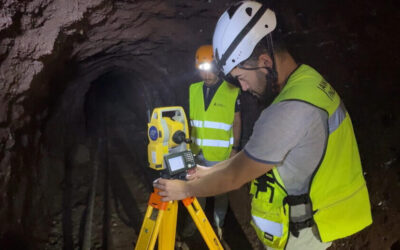
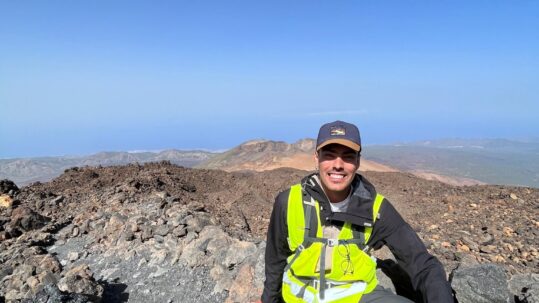
  • Your fee also covers a weekly excursion programme, to ensure you learn about the particular nature of the environment you are working in from local experts. There will be one full-day excursion per week (including for those working in La Palma), and all the associated costs (including extra insurance where required, or government permits) are included in the fee. Excursions include but are not limited to night-time descent into a lava tube, an ascent up to Teide crater, and a boat ride out to sea for lunch and to see the resident dolphin population.

  • We will organise transfers to other islands if required by your programme.

The fee does NOT cover your flights to/from Tenerife, which is your responsibility to book and pay for, or weekend catering. ALL programmes begin and end in Tenerife.

Part of your fee covers GeoTenerife running costs in the UK and Tenerife (to ensure a successful programme we have a permanent, fully-owned subsidiary in Tenerife), our ABTA membership (the UK travel trade association for tour operators and travel agents, which protects your payment so your booking is secure) and comprehensive work and liability insurance cover.

A further percentage of your fee supports our Scholarship programme to enable wider access to GeoIntern, which is fully funded by the Summer Programme.

Some of our participants each year are part or fully funded by their home university to participate in our programme, so it is worth asking your tutor if funds are available for this purpose.

Want to see how previous students got on?

  • You can scroll through our dedicated Twitter feeds @GeoIntern and @GeoTScholar.
  • You can also catch up on what our past interns are up to on our Facebook page, by scrolling through our “WHERE ARE THEY NOW?” posts, which we will update throughout this application period.
  • Please have a look at our playlist of GeoIntern testimonial interviews on our YouTube channel, dating right back to 2014 here.
  • BECA para estudiantes CANARIOS Dado nuestro firme compromiso con la ciencia Canaria y el apoyo a estudiantes de las islas, nuevamente ofreceremos al menos una beca para estudiantes Canarios de ciencias de la tierra para nuestro programa de verano GeoIntern (https://geotenerife.com/geointern/). La beca cubre todos los costos del programa más un est...

To apply

GeoIntern is heavily over-subscribed every year. To apply, read through the various programmes and decide which one/s you’d like to be considered for. Then click on “Apply Now” below and fill in the form. Only one form per candidate.

To maximise your chances of a successful application, take care of the details:

  • Read through the programmes thoroughly to ensure you apply for the one/s that best fits your interests

  • Ensure you meet the requirements for the programme/s you are interested in

  • Some elements of your application have a word limit. We do this for a reason – we want you to take care of your application and prioritise the most important information. Re-hashed, poorly thought-out epistles don’t float our boat.

  • The link will be deactivated once the deadline has passed, and late submissions will not be accepted.

  • Write a GREAT cover letter. We are specifically looking for enthusiastic young scientists who are passionate about their subject and can show they are committed and professionally minded.

  • For the CV section, we are mainly interested in your academic experience and achievements.

  • Read through your application before you press “submit”. You only get one chance to make a first impression.

  • Shortlisted candidates (particularly potential GeoTScholars) may be required to undertake a Zoom interview after the deadline for submission passes.

We work hard to create a unique programme to help talented young scientists get a wide range of experience and skills. Now tell us why you’re perfect for the role. Good luck!

Scholarships

GeoTenerife is committed to open access. Once again, we will offer two full international scholarships and one local scholarship for the summer GeoIntern programme. We are passionate about making our programmes accessible to talented young scientists wherever possible, and our scholarships are intended to support students who otherwise would not be able to apply. Full scholarships will cover the course fee (which includes weekday half-board accommodation, all local transfers, tuition, liability insurance, and excursions but not flights

Summer programme application

Summer programme SCHOLARSHIP application